City Life / Explainer
Why Paris Centre did not erase the first four arrondissements
The administrative grouping changed local government, not the identity of every address inside it.
News Today Paris Editorial· AI-assisted explainer · Editorial standards
Saved stories stay on this browser. No account required.
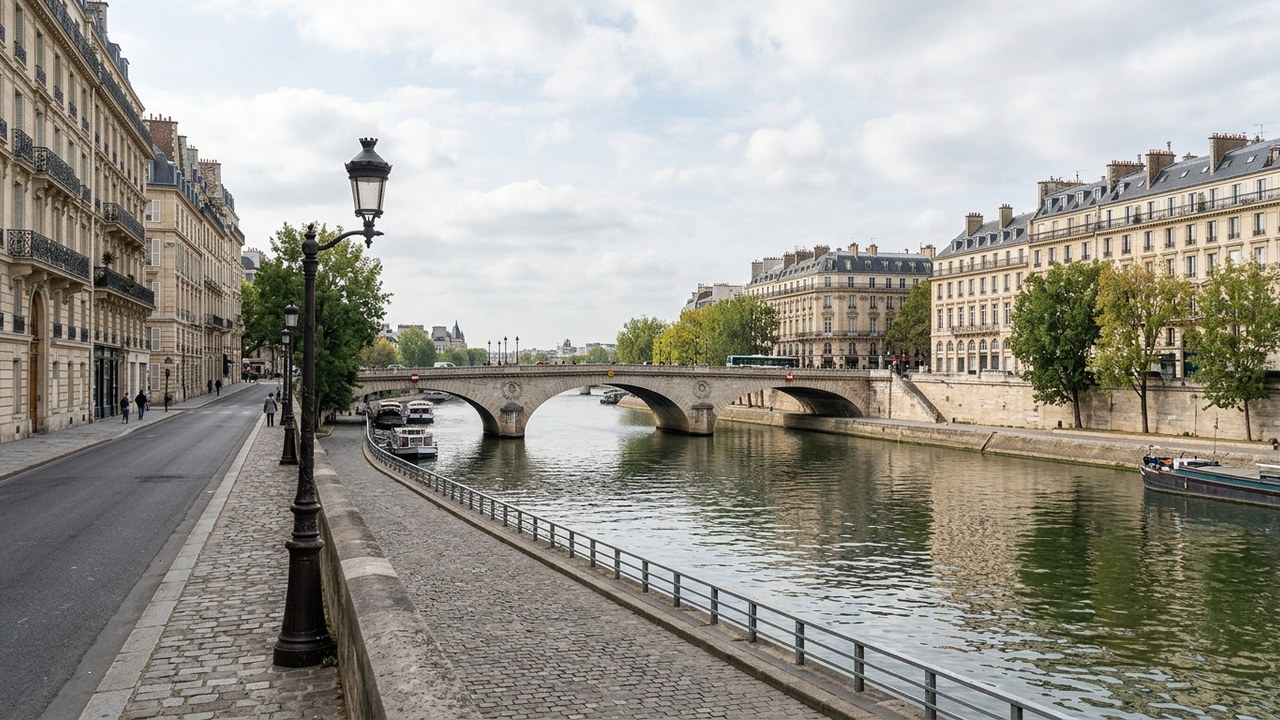
Paris Centre can seem to contradict the familiar numbered map of the city. If the first four arrondissements have been grouped together, why do addresses and neighborhood descriptions still refer to the first, second, third and fourth? The answer is that administrative organization and postal geography are not the same thing.
The City of Paris’s explanation of the 2020 change says those arrondissements were brought into a single municipal sector called Paris Centre. The reform combined their local executive and administration, including one sector mayor, one council and one town hall. It did not require residents to abandon the arrondissement number associated with their address.
The same official guide explicitly says postal codes remained unchanged and adding Paris Centre to postal correspondence was unnecessary. It also explains that the grouping did not itself require changes to identity documents or utility bills. Those details illustrate the limited scope of an administrative merger: a new institution can serve an area without renaming every location within it.
For reading local information, distinguish the task from the place. A historical account, street address or cultural listing may use an individual arrondissement. A municipal notice may instead refer to Paris Centre because it concerns the shared administration. These are different descriptions of overlapping territory, not necessarily conflicting information.
The city’s guide is dated to the reform’s introduction, so its transitional instructions should not be used as a current appointment manual. Consult the relevant service for today’s procedure. Its lasting contribution is conceptual: when a Paris address and a municipal office use different geographic labels, first ask whether one describes the location and the other the institution responsible for it.
Sources & further reading
Consult the original sources for definitions and updates. Source links do not imply endorsement of this publication.
Notice an error? Suggest a correction. Read our editorial standards.